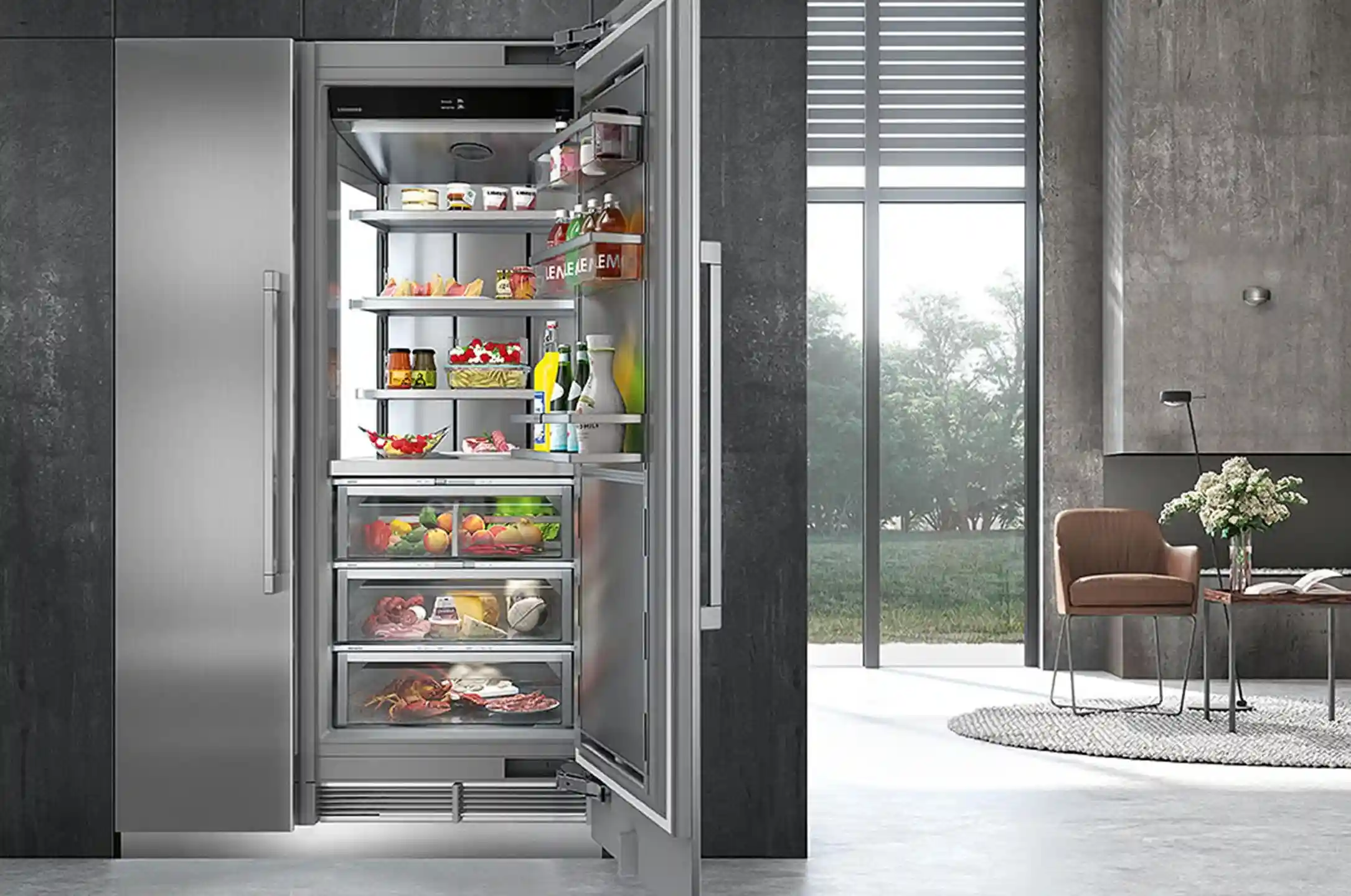
Premium refrigerators from brands like Sub-Zero, Thermador, Miele, and Wolf represent a significant investment—often $8,000 to $20,000 or more. These high-end appliances are engineered to last 20-40 years, but only with proper care and maintenance. This comprehensive guide will show you exactly how to maintain your luxury refrigerator, when to schedule professional service, and how to avoid the common mistakes that can shorten its lifespan.
Why Premium Refrigerators Require Special Attention
Unlike standard refrigerators, premium models feature sophisticated dual refrigeration systems, advanced air purification, precision temperature controls, and custom integration—all of which require specialized knowledge and care. These appliances work 24/7/365, and even minor neglect can lead to expensive repairs or premature failure.
The U.S. Department of Energy reports that dirty coils and worn seals force refrigerators to work 15-25% harder, dramatically increasing energy costs and wear. In a city like New York where energy costs are high and service calls expensive, proper maintenance isn’t optional—it’s essential.
The True Cost of Neglect
Skipping maintenance might seem like a money-saver, but the opposite is true. Here’s what can happen:
Compressor Burnout: A clogged condenser is one of the leading causes of compressor failure. Replacement requires technicians qualified to handle refrigerant systems and typically costs $2,000-$4,000.
Refrigerant Leaks: Coastal areas like New York experience higher corrosion rates. Small leaks detected early cost $500-$800 to fix; complete refrigerant loss can mean $3,000+ in repairs.
Electronic Failures: Neglected maintenance strains control boards and sensors. Circuit board replacement runs $800-$1,500.
Premature Replacement: A $15,000 Sub-Zero should last 25+ years with proper care. Without maintenance, you might need replacement in 10-12 years—losing tens of thousands in value.
Professional Maintenance Schedule
How Often Do You Need Professional Service?
Every 6 Months (Recommended Minimum): Sub-Zero, Thermador, Miele, and Wolf all recommend condenser cleaning twice annually. This is one of the most important maintenance tasks.
Every 6-12 Months (Comprehensive Service): A full inspection may include:
- Deep condenser coil cleaning
- Sealed system pressure check
- Refrigerant level analysis
- Compressor health assessment
- Evaporator fan inspection
- Temperature sensor calibration
- Control board diagnostics
- Door alignment and gasket inspection
- Drain pan and defrost system check
- Firmware updates if applicable
Every 12 Months (For New York Specifically): New York’s climate creates unique challenges. Coastal humidity, salt air, seasonal temperature extremes, and hard water all stress refrigeration systems. Annual service by experienced, licensed, and insured appliance technicians is strongly recommended for NYC homeowners.
When to Schedule Your First Service
Brand-Specific Recommendations:
Sub-Zero: First condenser cleaning at 6 months after installation. Establish a regular 6-month schedule from day one.
Thermador: Begin a maintenance schedule 6 months post-installation. Annual professional inspection is recommended.
Miele: First service at 6-12 months. Miele appliances are tested for long service life but still require routine maintenance to perform at their best.
Wolf (Sub-Zero Group): Follow Sub-Zero’s 6-month condenser cleaning schedule.
What Professional Service Includes
Condenser System Service:
- Remove and clean condenser coils using specialized brushes and vacuum
- Check condenser fan operation and bearing condition
- Verify compressor mounting and vibration dampening
- Measure amp draw to assess compressor health
- Clean or replace condenser fan if needed
Sealed System Analysis:
- Check refrigerant pressures (requires EPA 608 certification)
- Look for early signs of leaks using electronic detectors
- Verify proper superheat and subcooling
- Test capillary tube or expansion valve function
- Document baseline readings for future comparison
Temperature and Airflow Verification:
- Test actual temperatures vs. control settings using calibrated thermometers
- Check evaporator fan operation
- Verify proper air circulation through all compartments
- Test door closure switches
- Calibrate temperature sensors if needed
Drainage System Maintenance:
- Clear defrost drain tubes (common clog point)
- Clean drain pan
- Check drain heater operation
- Verify proper water flow
Electrical System Check:
- Inspect wiring connections for corrosion (especially important in coastal areas)
- Test control board functions
- Check for error codes or soft failures
- Verify proper voltage supply
- Test door switches and interior lighting
Door and Seal Inspection:
- Check door alignment and adjust if needed
- Inspect gaskets for tears, gaps, or hardening
- Test seal integrity using the dollar bill test
- Clean and condition gaskets
- Verify automatic door closure (if equipped)
DIY Maintenance Tasks: What You Can Do Yourself
Monthly Tasks (5-10 minutes)
Interior Cleaning:
- Wipe down shelves and interior surfaces
- Remove and wash crisper drawers
- Clean any spills immediately
- Wipe door gaskets with warm soapy water
- Remove and clean glass shelves if needed
Ice Maker Maintenance:
- If you don’t use ice regularly, empty the ice bin every 1-2 weeks
- This helps prevent clumping and odor absorption
- Clean the ice bin monthly with mild soap and water
- Check ice production quality—small or misshapen cubes may indicate a problem
Quarterly Tasks (15-30 minutes)
Condenser Coil Cleaning (If Accessible): For experienced homeowners only. If you’re uncomfortable performing this task, schedule service with a qualified technician.
Location varies by model:
- Classic/Built-In Sub-Zero: Behind top or bottom grille
- Designer Series: Behind lower kickplate
- Thermador: Typically behind lower grille
- Miele: Behind lower panel or rear access
Steps:
- Unplug refrigerator or turn off the circuit breaker
- Remove the access grille
- Use a refrigerator coil brush or vacuum with brush attachment
- Gently remove dust and debris—don’t bend coil fins
- Vacuum the floor area beneath the unit
- Replace the grille and restore power
Important Note: If you have pets, clean coils every 3 months. Pet hair accelerates coil clogging.
Deep Interior Cleaning:
- Empty the entire refrigerator
- Remove all shelves and drawers
- Wash with mild dish soap and warm water
- Rinse and dry thoroughly
- Clean interior walls with a baking soda solution (1 tablespoon per quart of water)
- Dry completely before returning food
- Check expiration dates while organizing
Temperature Verification:
- Place an appliance thermometer in the center of the refrigerator
- Wait 24 hours
- Verify refrigerator temperature is 37-38°F (3°C)
- Check freezer temperature is 0°F (-18°C)
- Adjust settings if needed
Semi-Annual Tasks (30-45 minutes)
Filter Replacement: All premium brands recommend 6-month filter replacement intervals.
Water Filter:
- Reduces contaminants, chlorine taste, and odors
- Maintains proper water flow to the ice maker
- Helps prevent mineral buildup in water lines
- Use OEM filters when required to help maintain warranty coverage
Replacement procedure:
- Locate the filter (varies by model—check the manual)
- Turn counterclockwise to remove
- Remove protective cap from the new filter
- Insert and turn clockwise until secure
- Run 2-3 gallons of water through the system
- Discard the first batch of ice (about 24 hours worth)
Air Purification Filter:
- Sub-Zero’s air filtration system helps remove ethylene gas
- Can extend produce freshness by days or weeks
- Helps reduce odor transfer between foods
- Supports optimal food preservation
Replacement procedure varies by model. Most are simple cartridge replacements accessible from the interior.
Door Gasket Inspection:
- Clean gaskets thoroughly with warm soapy water
- Check for tears, cracks, or hardening
- Perform the dollar bill test: close the door on a dollar bill—there should be slight resistance when pulled
- If the bill slides out easily, the gasket may need replacement
- Check all four sides of the door
Drain Tube Cleaning: Prevents water leaks and interior moisture:
- Locate the drain opening (usually behind crisper drawers)
- Mix warm water with mild soap
- Use a turkey baster or drain cleaning tool to flush the drain
- Verify water flows freely to the drain pan
- Check the drain pan for standing water and clean if needed
Annual Tasks
Professional Inspection: Even if you perform all DIY tasks, annual service is recommended for:
- Sealed system integrity verification
- Electrical component testing
- Calibration and adjustments
- Early problem detection
- Warranty maintenance documentation
Extended Vacation Preparation: If leaving for 2+ weeks:
- Use vacation mode if available
- Discard perishables
- Clean thoroughly
- Leave doors slightly ajar if the unit will be off
- Shut off water supply to the ice maker
Premium Brand-Specific Maintenance Requirements
Sub-Zero Refrigerators
Unique Features Requiring Special Care:
- Dual refrigeration system (separate compressors for fridge and freezer)
- Advanced air purification system
- Sealed fresh food compartment
- Water filtration system
Maintenance Specifics:
- Condenser cleaning: Every 6 months (manufacturer requirement)
- Air filter: Replace annually
- Water filter: Replace every 6-12 months
- Ice maker: Annual professional cleaning recommended
- Door gaskets: Clean monthly, inspect quarterly
- Drain tubes: Clean every 6 months (common clog point)
Common Issues to Watch For:
- Vacuum seal failure on doors (causes excessive running)
- Drain tube clogs (leads to water in crisper drawers)
- Air filter bypass (reduces food preservation quality)
- Compressor amp draw increase (early warning of failure)
Warranty Considerations: Sub-Zero warranties may require proof of regular maintenance. Keep service records for all professional maintenance to help preserve warranty coverage.
Thermador Refrigerators
Unique Features:
- Freedom Refrigeration with customizable panels
- Home Connect smart connectivity
- Auto Door Opening technology
- Multiple temperature zone management
Maintenance Specifics:
- Condenser cleaning: Every 3-6 months
- Water filter: Replace every 6 months
- Smart system updates: Check periodically via the Home Connect app
- Custom panels: Clean according to panel material (wood, stainless, custom)
- Touch controls: Clean carefully with a soft, slightly damp cloth
Annual Professional Service Recommended: Thermador recommends annual preventative maintenance inspections for commercial-style units and integrated models.
Warranty Note: Professional maintenance can help support long-term performance and documentation for warranty-related issues.
Miele Refrigerators
German Engineering Requires Precision:
- Built for long service life, but only with proper maintenance
- MasterCool series requires specialized service knowledge
- DynaCool systems need proper airflow verification
Maintenance Specifics:
- Professional service: Every 12-18 months
- Condenser system: Annual professional cleaning
- Door gaskets: Miele uses special compounds—clean with approved products only
- Touch controls: Use approved cleaners to avoid screen damage
- Stainless steel: Clean with the grain using a suitable stainless cleaner
Miele-Specific Recommendations:
- Use original Miele spare parts when repairs are needed
- Schedule service with experienced technicians familiar with Miele refrigeration systems
- Keep maintenance records for warranty validation
- Consider an extended service plan for added protection
Expected Service Life:
- With proper maintenance: 20+ years
- Without maintenance: 12-15 years
- Potential savings from proper care: $10,000-$15,000 over the appliance lifetime
Wolf (Sub-Zero Group) Refrigerators
Wolf refrigerators follow maintenance protocols similar to Sub-Zero models as they share engineering principles and service requirements:
- 6-month condenser cleaning cycle
- Annual professional inspection
- Filter replacement every 6-12 months
- Service by experienced, licensed, and insured appliance technicians is strongly recommended
Common Mistakes That Shorten Refrigerator Lifespan
Mistake 1: Overloading the Refrigerator
The Problem: Cramming too much food blocks air vents, prevents circulation, and forces the compressor to run constantly. This causes uneven cooling, food spoilage, and premature compressor failure.
The Solution:
- Keep refrigerator no more than about 75% full
- Never block air vents in the back wall
- Arrange items with space between them
- Use proper storage zones
- If regularly overcrowded, consider additional refrigeration
Mistake 2: Incorrect Temperature Settings
The Problem: Setting temperatures too low wastes energy and overworks the compressor. Too high risks food safety and spoilage.
Correct Settings:
- Refrigerator: 37-38°F (3°C)
- Freezer: 0°F (-18°C)
- Never set below these temperatures “just to be safe”
How to Verify: Use an appliance thermometer, not just the built-in display. Digital controls can drift over time.
Mistake 3: Storing Hot Food
The Problem: Placing hot food directly in the refrigerator forces the entire system to work harder, raises internal temperature, and can affect the safety of other foods.
The Solution:
- Let food cool 30-40 minutes at room temperature
- Divide large portions into smaller containers
- Use shallow containers for faster cooling
- Never leave food out more than 2 hours (1 hour if above 90°F)
Mistake 4: Frequent Door Opening
The Problem: Every door opening introduces warm, humid air. Excessive opening forces constant compressor cycling and increases frost buildup.
The Solution:
- Know what you want before opening
- Retrieve multiple items at once
- Close the door promptly
- Teach children proper refrigerator habits
- Check that the door closes completely and isn’t blocked by stored items
Mistake 5: Poor Location Placement
The Problem: Refrigerators near heat sources (ovens, dishwashers, sunny windows) work dramatically harder and may fail sooner.
The Solution:
- Position away from heat sources
- Ensure adequate ventilation space (check manufacturer specs)
- Keep away from direct sunlight
- Maintain room temperature between 55-90°F
- For built-in models, verify proper ventilation path
Mistake 6: Ignoring Unusual Noises
The Problem: New sounds can indicate developing problems. Ignored warning signs often become expensive repairs.
What Noises Mean:
- Loud humming: Compressor working too hard (clean coils)
- Clicking: Compressor struggling to start (serious issue)
- Rattling: Loose components or failed mounts
- Buzzing: Dirty condenser fan or failing compressor
- Dripping: Ice buildup melting (check defrost system)
- Squealing: Fan bearing failure
The Solution: Contact an experienced appliance technician promptly if you notice new or worsening sounds.
Mistake 7: Using Wrong Cleaning Products
The Problem: Harsh chemicals can damage stainless steel, plastic shelves, and door gaskets.
Approved Products:
- Mild dish soap and warm water
- Baking soda solution for odors
- Manufacturer-specific stainless cleaners
- Vinegar solution for mineral deposits
- Special gasket conditioners (if recommended)
Never Use:
- Bleach or chlorine-based cleaners
- Abrasive scrubbers
- Ammonia-based products
- Petroleum-based cleaners
- Generic stainless cleaners on custom finishes
Mistake 8: Neglecting Door Gaskets
The Problem: Damaged or dirty gaskets allow air leakage, causing 25-30% efficiency loss and constant compressor running.
The Solution:
- Clean gaskets monthly with warm soapy water
- Never use harsh chemicals on gaskets
- Check for tears, cracks, or hardening
- Perform the dollar bill test quarterly
- Replace gaskets showing wear rather than waiting for total failure
- Cost to replace: $100-$300
- Cost of running with a bad gasket: $200+ annually in energy waste
Mistake 9: Skipping Filter Replacements
The Problem: Clogged water filters reduce flow, affect ice production, allow mineral buildup, and can damage water valves.
The Solution:
- Set calendar reminders for 6-month replacement
- Use OEM filters where required for fit, performance, and warranty protection
- Don’t wait for the indicator light—replace on schedule
- If water tastes off or ice is small, replace immediately
Mistake 10: DIY Repairs on Sealed Systems
The Problem: Refrigerant work requires EPA certification. Improper repairs can cause irreversible damage and may void warranties.
What Never to DIY:
- Refrigerant-related work
- Compressor replacement
- Sealed system repairs
- Control board replacement (usually)
- Complex electrical diagnostics
What You Can DIY:
- Filter replacements
- Condenser cleaning (if comfortable)
- Interior cleaning
- Basic door adjustments
- Gasket cleaning
Proper Food Storage for Optimal Performance
Temperature Zones in Your Refrigerator
Understanding your refrigerator’s zones improves food preservation and reduces appliance strain:
Upper Shelves (warmest):
- Temperature: 38-40°F
- Best for: Leftovers, drinks, ready-to-eat foods, yogurt
Middle Shelves:
- Temperature: 37-38°F
- Best for: Dairy products (milk, cheese, butter), eggs
Lower Shelves (coldest):
- Temperature: 35-36°F
- Best for: Raw meat, poultry, fish (in sealed containers)
Crisper Drawers:
- High humidity drawer: Leafy vegetables, broccoli, carrots (keep vent closed)
- Low humidity drawer: Fruits, peppers, mushrooms (keep vent open)
Door Shelves (warmest, most variable):
- Temperature: 40-45°F
- Best for: Condiments, juices, water
- Avoid: Milk, eggs (too much temperature fluctuation)
Foods That Don’t Belong in the Refrigerator
Storing these items in the fridge wastes space, affects quality, and can block airflow:
- Tomatoes (unless overripe)
- Potatoes
- Onions
- Garlic
- Bread
- Honey
- Coffee
- Most hot sauces
- Whole melons (until cut)
Energy Efficiency and Cost Savings
How Much Can Maintenance Save?
Energy Costs:
- Clean, well-maintained premium refrigerator: $100-150/year (NYC rates)
- Neglected refrigerator with dirty coils and bad gaskets: $200-300/year
- Annual savings from proper maintenance: $100-150
Repair Cost Avoidance:
- Average compressor replacement: $2,500-$4,000
- Average control board replacement: $800-$1,500
- Average complete sealed system repair: $3,000-$5,000
- Minor maintenance issues caught early: $200-$500
Lifespan Extension Value:
- Premium refrigerator with proper maintenance: 25-30 years
- Same unit without maintenance: 10-15 years
- Value of extended lifespan: $10,000-$15,000
Total 20-Year Cost Comparison:
With Regular Maintenance:
- Professional service (biannual): $200 x 40 visits = $8,000
- Filter replacements: $100/year x 20 = $2,000
- Energy costs: $125/year x 20 = $2,500
- Minor repairs: $1,500
- Total: $14,000
Without Maintenance:
- Energy costs: $250/year x 15 = $3,750
- Major repairs: $8,000
- Premature replacement: $15,000
- Lost food due to failures: $1,000
- Total: $27,750
Net Savings with Maintenance: $13,750 over 20 years
When to Call for Professional Service Immediately
Don’t wait for your scheduled maintenance if you notice:
Critical Warning Signs:
Temperature Issues:
- Refrigerator section warming above 40°F
- Freezer not maintaining 0°F
- Temperature fluctuations of more than 5°F
- One section working while the other fails
Unusual Sounds:
- Loud clicking or knocking
- Grinding or squealing
- Compressor constantly running
- New sounds that persist more than 24 hours
Moisture Problems:
- Water pooling inside the refrigerator
- Water leaking onto the floor
- Excessive frost buildup in the freezer
- Condensation on the exterior
- Moisture on food packaging
Ice Maker Issues:
- Complete failure to produce ice
- Small or hollow ice cubes
- Slow ice production
- Ice tastes bad or smells off
- Ice clumping excessively
Physical Problems:
- Door won’t close or seal properly
- Interior lights not working
- Display showing error codes
- Burnt smell
- Visible frost on compressor area
Emergency Situations (Call Immediately):
- Burning smell
- Sparks or electrical issues
- Compressor extremely hot to the touch
- Water actively leaking onto the floor
- Food spoiling due to lack of cooling
Finding the Right Service Provider in New York
What to Look For:
Licensed and Insured Appliance Service: Sub-Zero, Thermador, Miele, and Wolf appliances should be serviced by experienced appliance technicians who are familiar with premium refrigeration systems.
Why Experience and Proper Credentials Matter:
- Familiarity with brand-specific technologies
- Access to proper diagnostic tools
- Availability of OEM replacement parts
- Understanding of common issues in luxury appliances
- Experience with built-in and integrated refrigeration systems
- Knowledge of proper maintenance procedures and safe repair practices
Questions to Ask:
- Are you licensed and insured for appliance repair work?
- How long have you been servicing this brand?
- Do you stock OEM parts or use aftermarket?
- What’s your typical response time?
- Do you offer maintenance contracts?
- Can you provide references from other luxury appliance owners?
- Do you have EPA 608 certification for refrigerant work?
- What’s your warranty on service work?
Red Flags:
- Can’t provide proof of licensing, insurance, or relevant experience
- Offers significantly lower prices than competitors
- Uses aftermarket parts exclusively
- Can’t provide references
- Vague about timing or pricing
- Pressures for immediate decisions
- Lacks proper insurance or business documentation
Maintenance Contracts vs. Per-Service Calls
Maintenance Contract Benefits:
- Scheduled regular service
- Priority service for emergencies
- Often includes filter replacements
- May include discounted repairs
- No-worry convenience
- Helps ensure maintenance doesn’t get forgotten
Typical Contract Costs in New York:
- Basic (biannual cleaning): $400-$600/year
- Standard (biannual service + filters): $600-$900/year
- Premium (full service + priority repairs): $900-$1,500/year
Per-Service Cost Comparison:
- Single condenser cleaning: $150-$250
- Comprehensive inspection: $250-$400
- Emergency service call: $200-$350 (plus repairs)
When Contracts Make Sense:
- You own multiple premium appliances
- You value convenience over DIY maintenance
- You want priority service access
- Your appliances are 10+ years old
- You travel frequently and may miss scheduled maintenance
Creating Your Maintenance Calendar
Suggested Schedule:
Monthly (First of Month):
- Wipe interior surfaces
- Clean door gaskets
- Check and clean spills
- Verify temperatures with thermometer
- Empty ice bin if not used regularly
Quarterly (January, April, July, October):
- Deep interior cleaning
- Condenser coil inspection/cleaning (if DIY capable)
- Door gasket inspection
- Drain tube flush
- Check for unusual sounds or performance issues
Semi-Annual (January and July):
- Water filter replacement
- Air filter replacement
- Professional condenser cleaning (if not DIY)
- Verify door alignment
- Test door seal integrity
Annual (January):
- Comprehensive professional service
- Sealed system check
- All electrical components tested
- Calibration verification
- Documentation for warranty records
Special Considerations for New York Climate
Unique Challenges:
Coastal Humidity:
- Accelerates corrosion on electrical connections
- Increases condensation issues
- May require more frequent drain cleaning
- Gaskets may need extra attention
Seasonal Temperature Extremes:
- Summer heat increases compressor workload
- Winter in unheated spaces can cause freezing issues
Hard Water Issues:
- Mineral buildup in water lines
- Reduced ice maker performance
- May require more frequent water filter replacement
Urban Environment Factors:
- More dust and debris (clean coils more often)
- Voltage fluctuations (consider surge protection)
- Limited service access in high-rise buildings
Solutions for NYC Homeowners:
- Install a whole-house water softener or filter if needed
- Use surge protectors rated for large appliances
- Schedule maintenance before summer heat
- Keep contact information for building management
- Document appliance access procedures for service technicians
Investment Protection: Documentation and Records
What to Keep:
Purchase Documentation:
- Original sales receipt
- Warranty registration
- Extended warranty or service plan documents
- Installation documentation (for built-in units)
Service Records:
- All professional service invoices
- Filter replacement dates and receipts
- Self-performed maintenance log
- Parts replaced (keep old parts for 1 year if useful)
- Any warranty claim documentation
Why Documentation Matters:
- Supports warranty claims
- Can improve resale value
- Provides diagnostic history for recurring issues
Frequently Asked Questions
Q: Can I use my refrigerator immediately after delivery? A: No. Let the unit stand upright for 24 hours before plugging it in. This allows refrigerant and oil to settle. Then allow 24 hours for cooling before loading food.
Q: How long should a premium refrigerator last? A: With proper maintenance: Sub-Zero 20-40 years, Thermador 20-30 years, Miele 20-30 years, Wolf 20-30 years. Without maintenance, expect closer to 10-15 years.
Q: Are extended warranties worth it? A: For premium appliances, often yes. After the manufacturer warranty expires (typically 2-5 years), major repairs can be expensive. A good extended warranty may cost $500-$1,000 for 5 years, while a single compressor replacement can cost $3,000-$4,000.
Q: Should I turn off my refrigerator when on vacation? A: Short vacations (under 2 weeks): leave it on and use vacation mode if available. Extended vacations: empty, clean, unplug, and leave doors slightly ajar to help prevent mold. Turn off the water supply.
Q: Can I clean coils myself or do I need professional service? A: If you’re comfortable and the coils are accessible, you can clean them yourself. However, professional service also includes testing and diagnostics you can’t perform at home. A practical approach is DIY cleaning as needed and professional service on a regular schedule.
Q: What’s the real difference between OEM and aftermarket filters? A: OEM filters are designed and tested specifically for your model. Aftermarket filters may fit, but they can have different filtration media, flow rates, or contaminant removal performance. In some cases, they may also affect warranty coverage for water-related components.
Q: Why is my ice maker producing small ice cubes? A: This usually indicates the water filter needs replacement or the water line has reduced flow. It could also point to a water pressure issue, temperature problem, or water valve issue.
Q: Is it normal for my premium refrigerator to run constantly? A: No. The compressor should cycle on and off. Constant running may indicate dirty coils, a bad door gasket, low refrigerant, temperature settings that are too cold, or a failing compressor.
Q: How often should I replace door gaskets? A: With proper care, gaskets can last 10-15 years. Replace them if the dollar bill test fails, if there are visible cracks or tears, if the gasket hardens, if the door won’t close properly, or if you notice excessive condensation.
Q: Can I install my refrigerator in the garage? A: Only if the garage maintains 55-90°F year-round. Many manufacturer warranties exclude garage installation. Extreme temperatures can cause compressor and control issues.
Conclusion: The Value of Preventative Care
Your premium refrigerator represents a significant investment in your home and lifestyle. These sophisticated appliances are designed to last for decades—but only with proper care.
The difference between a refrigerator that lasts 15 years and one that lasts 30 years isn’t luck—it’s maintenance. Regular professional service, attention to warning signs, and consistent care can:
- Save thousands in repair costs
- Extend lifespan by 10-15 years
- Reduce energy consumption by 15-25%
- Help preserve food quality and safety
- Maintain resale value
- Provide peace of mind
Take Action Today:
- Schedule your next professional service if it’s been more than 6 months
- Replace filters if needed
- Clean door gaskets and check seals
- Verify correct temperatures
- Create your maintenance calendar
- Save your service provider’s contact information
Don’t wait for a problem to develop. Premium appliances deserve consistent care. By following the guidance in this comprehensive manual, you’ll help protect your investment and keep your refrigerator running reliably for years to come.
For professional service in New York, choose experienced, licensed, and insured technicians who regularly work with luxury appliance brands. The right experience, proper tools, and quality parts can make a major difference in long-term performance and reliability.
Your refrigerator works 24/7/365 to protect your food and investment. Give it the care it needs to continue doing that job for 25+ years.